
Dive In: Mastering Essential Pool Care
Regular pool maintenance is the cornerstone of an inviting and healthy swimming environment. Whether you’re a seasoned pool owner or a first-timer visiting your local pool store in Glendale, understanding the basics is vital. In this guide, you’ll discover key insights on how routine upkeep prevents costly repairs and extends the life of your equipment.
A well-maintained pool not only boosts water clarity and temperature control but also ensures a safer swimming experience during the warmer months in Arizona. You’ll learn practical tips on regular cleaning, balancing chemicals, and quick equipment checks that keep every dive refreshing. Consider these core strategies:
- Routine Cleaning: Skim debris, vacuum the bottom, and brush pool walls.
- Chemical Management: Maintain proper pH levels to thwart algae buildup.
- Equipment Upkeep: Regularly inspect filters, pumps, and heaters for optimal performance.
This section sets the stage for a comprehensive journey into actionable, step-by-step pool care essentials. As you progress, you’ll be equipped with simple yet effective strategies to overcome common pool maintenance challenges and ensure sparkling results throughout the year.
Master Your Pool Maintenance: A Step-by-Step Guide to Chemical Testing and Balancing
Achieving crystal-clear pool water can be simple when you follow these essential steps. Begin by preparing your tools and workspace, ensuring you have a reliable pool testing kit, gloves, and chemical storage containers ready for safe handling.
- Collect a water sample from a representative spot in your pool – far from return jets to get a true reading.
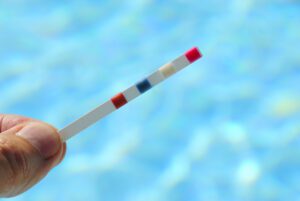
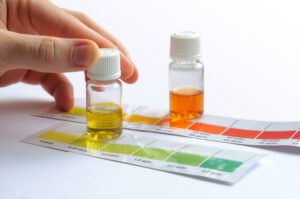
- Test the sample for key parameters, such as pH, chlorine (or other sanitizer levels), total alkalinity, and calcium hardness. Follow the kit’s instructions closely for accurate measurements.
- Evaluate the results. If readings are off balance, determine which chemicals need adjustment. For example:
- Add pH increaser or decreaser to fine-tune pH.
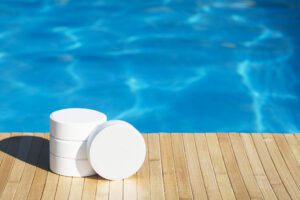
- Use chlorine tablets or liquid sanitizer to boost levels.
- Apply corrections gradually, using small doses and stirring the water well. Retest after 30-60 minutes to ensure the levels stabilize.
- Repeat as necessary and maintain a regular testing schedule to avoid surprises.
Tip: In warmer climates like Glendale, Arizona, regular testing is even more vital, as fluctuating temperatures can affect chemical balance quickly. This methodical approach keeps your pool safe, inviting, and perfectly maintained.
Mastering Equipment Maintenance
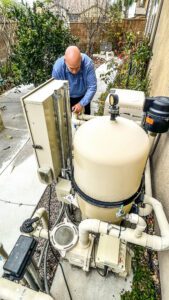
Staying on top of your pool’s equipment care is key to a smooth-running aquatic environment. Regular maintenance not only prolongs the lifespan of gear like pumps, filters, and heaters but also keeps your pool water safe and inviting. Start by creating a consistent cleaning schedule to inspect components for potential wear or debris buildup. This routine is critical whether you’re managing a backyard oasis in Glendale or a commercial pool facility.
Here are a few actionable tips for effective equipment upkeep:
- Daily Checks: Look for unusual noises or vibrations from the pump and ensure water levels remain optimal.
- Weekly Tasks: Clean out filters and baskets to prevent blockages that can cause strain on the motor.
- Monthly Inspections: Test the water chemistry and examine seals and hoses for signs of deterioration.
Using industry-approved techniques ensures that your pool equipment remains efficient and minimizes costly emergencies. By integrating these maintenance practices into your cleaning routine, you can confidently enjoy a clearer, healthier pool throughout the season. Stay diligent and proactive for lasting performance of your pool gear.
Top 7 Seasonal Maintenance Tips for a Sparkling Pool
- Spring Awakening: Begin your pool’s year with a thorough clean-up. Remove winter debris, scrub the surfaces, and check the water chemistry. Refresh chemical balances to ensure clarity and safety as warmer temperatures approach in Glendale, Arizona.
- Summer Care: Keep your pool crystal clear during the hot months by maintaining proper chlorine levels and balancing pH. Regular skimming and vacuuming are essential to remove any contaminants that may have accumulated under the sun.
- Autumn Reset: Fall brings extra leaves and debris. Rely on a robust cover and frequent cleanings to prevent clogging filters and pump systems. This proactive approach will make winter prep more manageable.
- Winter Protection: As temperatures drop, ensure you winterize your pool with the correct chemical adjustments and winter covers. Protect your equipment from freezing damage and reduce water evaporation.
- Equipment Check: Regularly inspect pumps, filters, and heaters each season. A well-maintained setup avoids unexpected breakdowns and extends the life of your pool systems.
- Chemical Balance Monitoring: Test water conditions frequently to keep your pool safe and inviting throughout the year.
- Local Care Routine: Adapt these seasonal tips to your local climate for year-round pool perfection.
Pool Care FAQs That Answer Your Biggest Concerns
Q1: How often should I test my pool water?
For optimal safety and clarity, it’s recommended to test your pool water at least twice a week during heavy usage and once during quieter periods. Regular monitoring helps maintain balanced pH levels and proper sanitizer strength.
Q2: What is the best method to clean my pool filters?
Maintaining clean filters is crucial. Depending on your filter type, a monthly cleaning involving removal of debris, a thorough rinse, and backwashing can keep your water flowing smoothly and efficiently.
Q3: How can I prevent algae buildup in my pool?
Algae control involves a twofold approach: keep up with routine chemical balancing and enhance water circulation. Periodic brushing of pool walls can also reduce algae growth and keep surfaces clean.
Q4: Which pool chemicals are essential for effective maintenance?
Key chemicals include sanitizers like chlorine or salt systems, pH stabilizers, and alkalinity balancers. Consistent chemical management simplifies pool care and extends water quality.
Q5: Does local climate, such as in Glendale, Arizona, affect pool maintenance practices?
Absolutely. High temperatures and prolonged sunlight require adjustments in chemical dosages and more frequent cleaning to maintain water quality and comfort.
Final Thoughts: Dive Into Outstanding Pool Care
As you wrap up your journey to mastering pool maintenance, it’s clear that proper care and regular upkeep not only safeguard your investment but also enhance your recreational experience. A well-maintained pool provides safer, cleaner water for your family and guests, reducing the need for costly repairs over time. By following the best practices discussed, you’re ensuring prolonged equipment life, optimized water clarity, and reduced energy consumption.
Remember these actionable next steps:
- Schedule regular inspections: Periodic checks help prevent common issues.
- Maintain balanced chemicals: Proper chemical levels prevent algae growth and equipment corrosion.
- Invest in high-quality accessories: Reliable tools make upkeep simpler and more effective.
Whether you reside in Glendale or any other locale, these practical tips are designed to empower you with control over your pool environment. Embrace these simple yet effective strategies, and step confidently into a season of crystal-clear water and ultimate relaxation. Your pool care efforts today set the stage for endless summer enjoyment tomorrow.