Maintaining a swimming pool takes more than just skimming leaves off the surface—it requires getting the water chemistry right. At the heart of healthy pool chemistry is pH balance. The pH scale measures how acidic or basic your water is on a scale from 0 to 14, with 7.2 to 7.8 being the ideal sweet spot for pool water. Keeping your pool within this target range is vital for swimmer comfort, equipment safety, and overall water clarity.
1. Protects Swimmer Health and Comfort
When pool water shifts out of the safe pH range, swimmers are usually the first to notice.
- Eye and Skin Irritation: Water that is too acidic (pH below 7.2) or too basic (pH above 7.8) causes stinging eyes, itchy skin, and dry hair.
- Natural Body pH Match: Human tears have a natural pH of roughly 7.5. Keeping your pool water aligned with this level ensures maximum comfort while swimming.
2. Optimizes Chlorine Efficiency
Chlorine needs the right environment to sanitize water effectively and eliminate harmful bacteria.
- High pH Ineffectiveness: When pH levels rise above 7.8, chlorine loses its strength rapidly, rendering it unable to sanitize properly. This leaves the water vulnerable to algae blooms and bacteria growth.
- Low pH Chlorine Burn-Off: When pH drops too low, chlorine dissipates much faster than normal, forcing you to use significantly more chemical treatments to keep the pool clean.
3. Prevents Expensive Equipment and Surface Damage
Unbalanced water acts aggressively toward both pool equipment and structural surfaces.
| pH Level Status | Common Issues / Effects |
| Low pH (< 7.2) (Too Acidic) | Corrosion of metal ladders, pump impellers, and heater core parts; etching of plaster/tile grout; premature liner degradation. |
| High pH (> 7.8) (Too Basic) | Scale buildup on pool walls, piping, and salt cells; cloudy water; clogged filtration systems. |
4. How to Keep Your pH Balanced
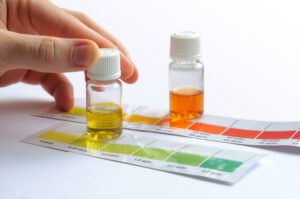
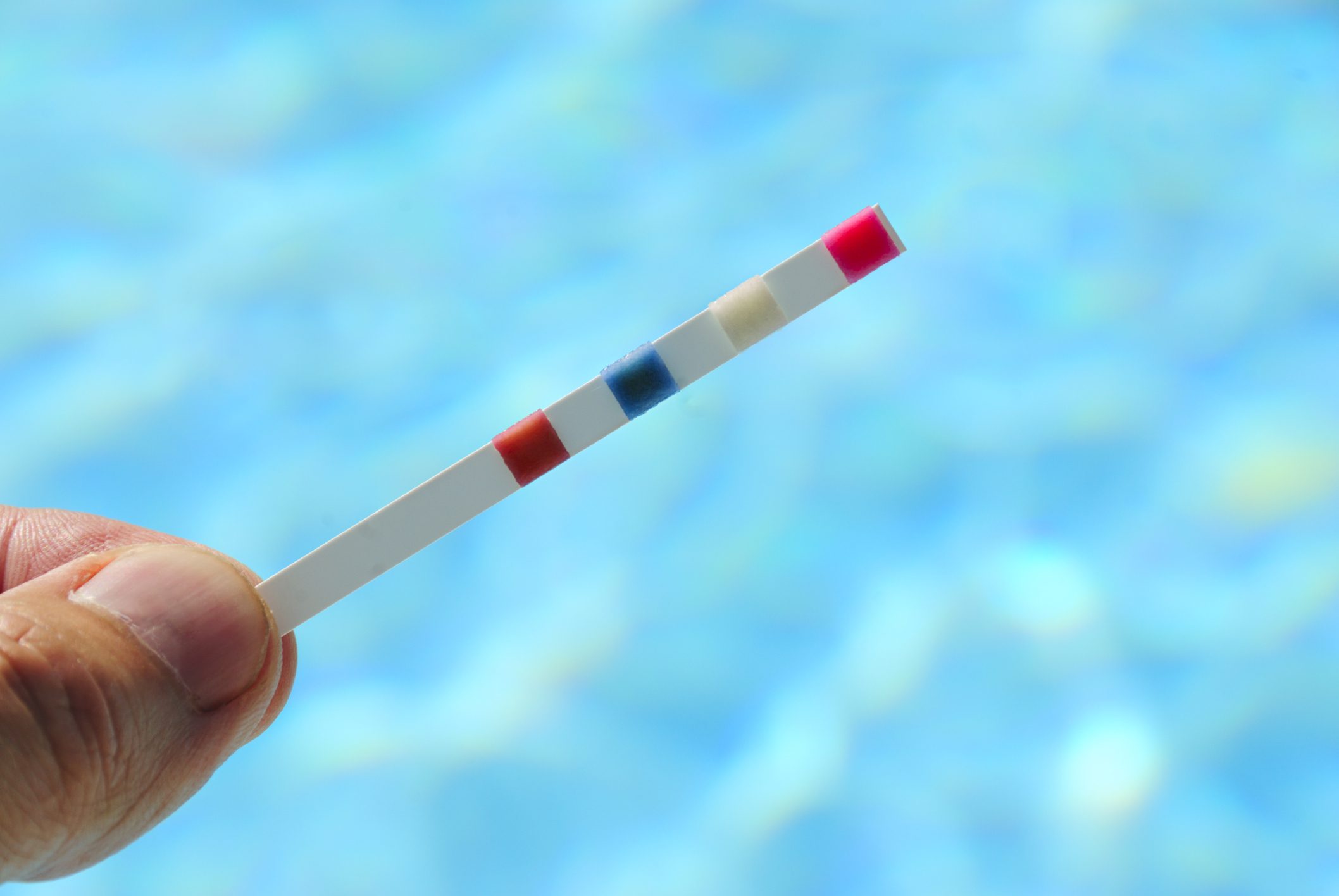
- Test Frequently: Use test strips or a liquid testing kit at least 1–2 times per week.
- Adjust Gradually: Use a pH Increaser (sodium carbonate) if levels drop below 7.2, or a pH Reducer (muriatic acid or sodium bisulfate) if levels climb above 7.8.
- Monitor Alkalinity: Total alkalinity acts as a buffer for pH; keep alkalinity between 80–120 ppm to prevent drastic pH swings.