When managing pool water chemistry, many owners focus heavily on pH levels and chlorine while overlooking Total Alkalinity. Think of alkalinity as the anchor or shock absorber for your pool’s pH. Without proper alkalinity levels, maintaining stable water chemistry is nearly impossible.
What Is Total Alkalinity and Why Does It Matter?
Total Alkalinity (TA) measures the concentration of alkaline substances in your pool water, primarily carbonates and bicarbonates. Its main job is to buffer your water against sudden pH fluctuations caused by rain, heavy swimmer loads, or added pool chemicals. The ideal range for pool alkalinity is 80 to 120 parts per million (ppm).
The Consequences of Unbalanced Alkalinity
| Alkalinity Level | Common Symptoms | Consequences |
| Low Alkalinity (< 80 ppm) | Rapid pH swings (“pH bounce”), burning eyes, cloudy water. | Acidic conditions lead to corroded metal fittings, pitted plaster, and damaged pool equipment. |
| High Alkalinity (> 120 ppm) | High or stubborn pH levels that resist dropping, murky water. | Scale deposits form on pool surfaces, salt cells, and plumbing, reducing pump and heater efficiency. |
How to Maintain Proper Alkaline Levels
1. Test Weekly
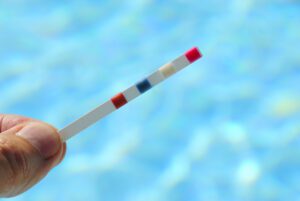
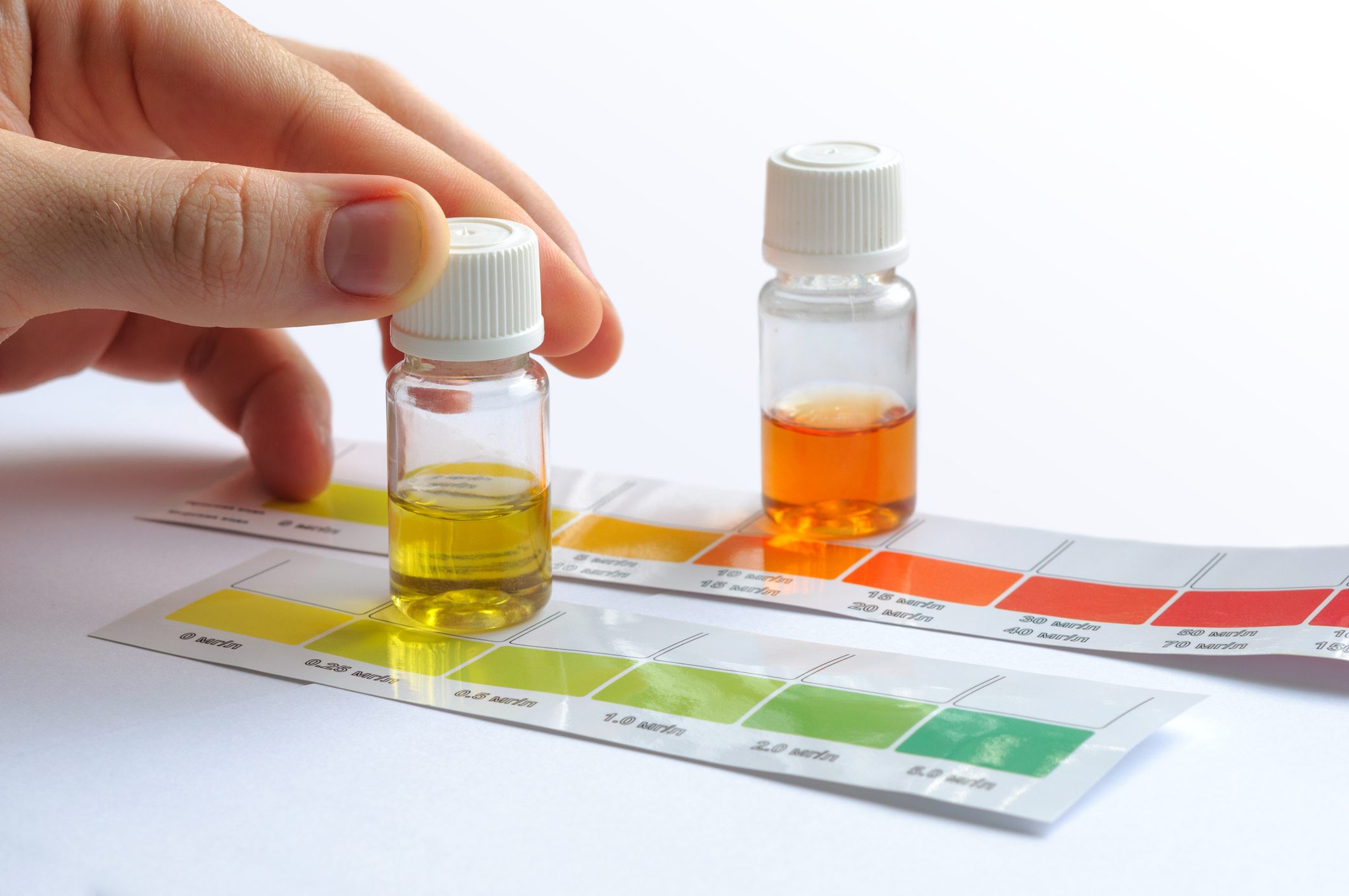
Use test strips or a liquid test kit to check alkalinity levels alongside pH. Always balance alkalinity before adjusting pH, as fixing alkalinity often brings pH back in line naturally.
2. Raise Low Alkalinity
If TA falls below 80 ppm, add sodium bicarbonate (baking soda). Adding roughly 1.5 pounds of baking soda per 10,000 gallons of water increases alkalinity by about 10 ppm.
3. Lower High Alkalinity
If TA exceeds 120 ppm, add muriatic acid or sodium bisulfate. Pouring the acid in a concentrated spot in the deep end lowers alkalinity efficiently.
4. Adjust in Gradual Steps
Avoid adding massive amounts of chemicals all at once. Divide applications into smaller doses spread out over several hours with the circulation pump running to allow the chemicals to mix thoroughly.