The Unsung Hero of Your Pool: Why Filter Cartridges Matter
Every dip into a crystal-clear pool starts with what happens behind the scenes—specifically, inside your filtration system. Pool filter cartridges play a critical role in removing debris, contaminants, and microscopic particles that cloud water and harbor bacteria. Without a properly functioning cartridge, even the most balanced chemicals can’t deliver the clean, safe swimming experience homeowners expect—especially in climates like Glendale, Arizona, where dust, pollen, and heavy sun exposure accelerate water degradation.
Think of your filter cartridge as the first line of defense. It traps everything from leaves and dirt to oils and fine sediment, ensuring water circulates cleanly and efficiently. A clogged or worn cartridge forces your pump to work harder, leading to higher energy costs and potential equipment failure. Regular inspection and timely replacement—typically every 6 to 12 months—keep your system running smoothly.
In this guide, you’ll learn how to choose the right cartridge for your filter type, recognize signs of wear, and adopt cleaning routines that extend lifespan. You’ll also discover how proper filtration supports chemical efficiency, reduces maintenance frequency, and protects your pool investment year-round.
How Pool Filter Cartridges Clean Your Water: A Clear Breakdown
Pool filter cartridges are essential for maintaining clean, swimmable water by trapping debris and contaminants as water circulates through your filtration system. Unlike sand or DE filters, cartridge filters use a pleated fabric medium designed to capture particles as small as 10–20 microns—think dirt, algae, insects, and fine organic matter. As your pool pump pushes water through the cartridge, these impurities get lodged in the fabric’s fibers, while clean water returns to the pool.
One of the biggest advantages of cartridge filters is their efficiency and low maintenance. They require no backwashing, which conserves water—especially valuable in dry climates like Glendale, Arizona. Instead, a simple hose-off every few weeks (or monthly during heavy use) is usually enough to clear built-up debris. Over time, however, grease, oils, and mineral scale can clog the pleats, reducing flow and filtration power. That’s why an annual deep clean using a filter-specific cleaner helps restore performance.
For optimal results, ensure your cartridge is properly sized for your pool volume. An undersized filter will struggle to keep up, leading to cloudy water and strain on your pump. By understanding how your filter cartridge works, you can stay ahead of water quality issues and enjoy a consistently clear, inviting pool all season long.
5 Types of Pool Filter Cartridges You Need to Know
Choosing the right pool filter cartridge is essential for maintaining clean, clear water all season long—especially in hot, sunny regions like Glendale, Arizona, where dust, pollen, and swimmer load can quickly challenge filtration systems.
- Pleated Polyester Cartridges
The most common type, these durable filters use tightly packed pleated fabric to trap debris as small as 10 microns. They’re ideal for above-ground pools and smaller in-ground systems, offering excellent water flow with minimal pressure buildup. Rinse them monthly for peak performance. - Anti-Microbial Treated Cartridges
Designed to resist mold and bacterial growth, these cartridges feature special coatings that prevent biofilm buildup—perfect for humid climates or pools that see frequent use. They last longer between cleanings and help maintain hygienic water quality. - Radial-Depth Cartridges
With layered filtration media arranged in a circular pattern, radial-depth models improve debris-holding capacity and extend run times between rinses. They’re a smart choice for larger pools where water volume and debris loads are higher. - Micro-Bonded Fiber Cartridges
Using heat-bonded fibers instead of fabric, these filters capture finer particles—down to 5 microns—making them excellent for achieving sparkling clarity. They’re often used in commercial pools or residential spas where water purity is a priority. - Eco-Friendly Reusable Cartridges
Built with sustainable materials and designed for extended lifespans, these cartridges reduce waste and long-term costs. Paired with routine rinsing and annual deep cleaning, they support greener pool maintenance without sacrificing efficiency.
Matching your filter type to your pool size, location, and usage ensures optimal filtration and less strain on your pump system.
Keep Your Pool Running Smoothly: A Step-by-Step Guide to Cleaning Filter Cartridges
Maintaining clean pool filter cartridges is essential for clear, healthy water and efficient system performance. Over time, debris and oils clog the filter media, reducing water flow and filtration efficiency. Follow these steps to keep your cartridges in top condition—especially important in hot, dusty climates like Glendale, Arizona, where pools face heavier contaminant loads.
- Turn Off the Pump
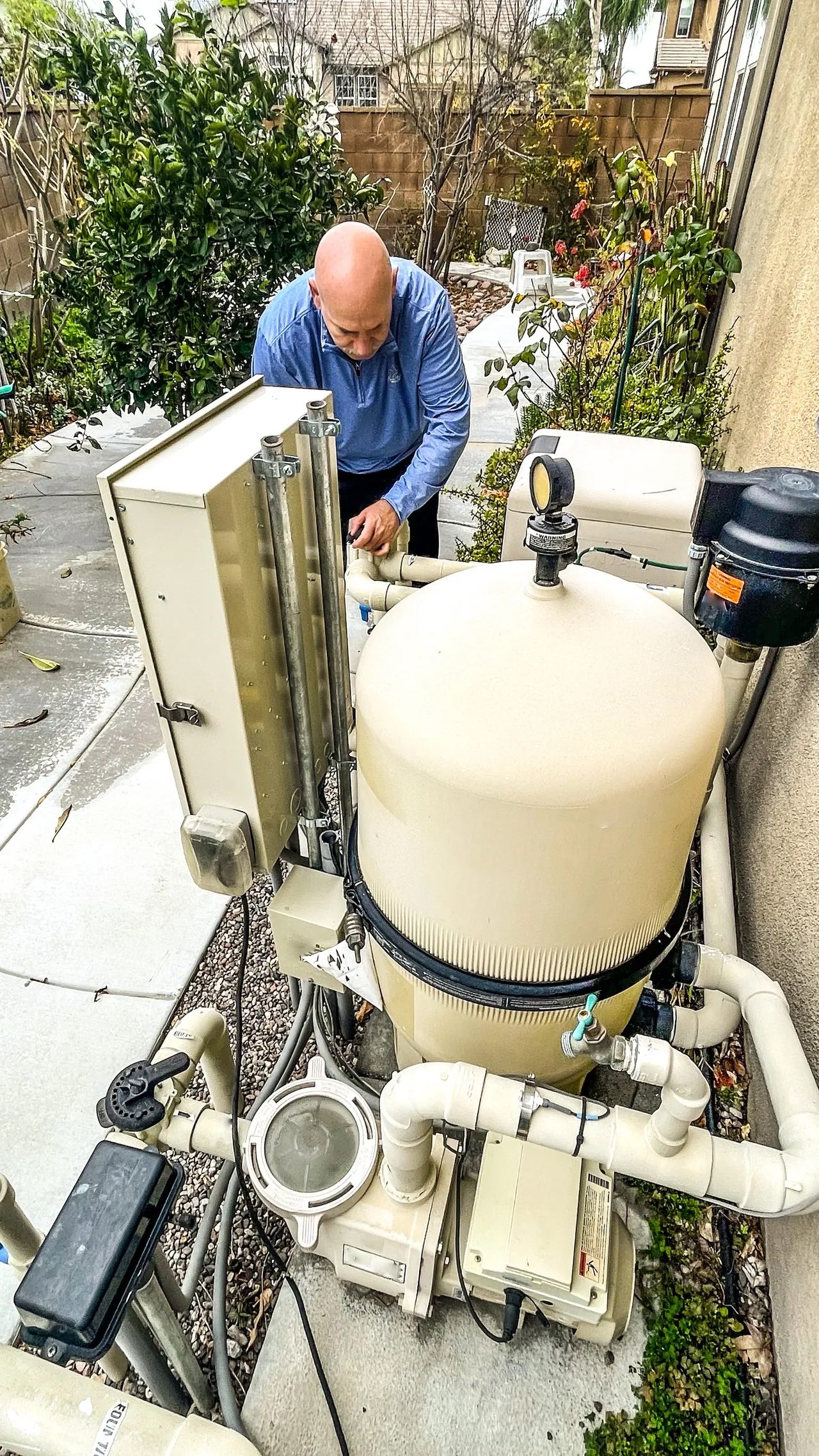
Always shut off the pump and release pressure from the system before opening the filter housing. This ensures safety and prevents damage to the equipment. - Remove the Cartridge
Unscrew the tank or lid and gently pull out the cartridge. Inspect it for tears, warping, or permanent scaling that could impact performance. - Rinse Thoroughly with a Hose
Use a high-pressure nozzle to wash down the pleats, starting from the top and working downward. Focus on trapped debris between folds. - Soak in a Filter Cleaner Solution
Submerge the cartridge in a dedicated filter cleaning solution for at least 8 hours or overnight. This removes ingrained oils, sunscreen residues, and mineral buildup. - Final Rinse and Inspect
After soaking, give it another thorough rinse. Hold the cartridge up to the light to check for any remaining blockages in the pleats. - Reinstall and Seal Properly
Place the clean cartridge back into the housing, ensuring a snug fit. Reassemble the tank and secure the clamp or lid without over-tightening.
For optimal results, clean cartridges every 4–6 weeks during peak swimming season. Regular maintenance extends cartridge life, improves water clarity, and reduces strain on your pump—keeping your pool running smoothly all year.
Frequently Asked Questions About Pool Filter Cartridges
How often should I replace my pool filter cartridge?
Most pool filter cartridges last between 12 to 24 months with proper care. However, frequency of use, pool size, and local debris levels—such as dust common in Arizona climates—can shorten their lifespan. If you notice reduced water flow or frequent cleaning is no longer effective, it’s likely time for a replacement.
How often should I clean my pool filter cartridge?
Aim to clean your cartridge every 4 to 6 weeks during peak swimming season. In areas like Glendale with high temperatures and dust, monthly cleanings help maintain optimal filtration and reduce strain on your pump.
What’s the best way to clean a pool filter cartridge?
Start by turning off the pump and removing the cartridge. Rinse it thoroughly with a garden hose, focusing on the pleats. For deeper cleanings, soak the cartridge in a filter cleaning solution for several hours to break down oils and minerals.
Can a damaged filter cartridge be repaired?
Minor tears can sometimes be sealed with a vinyl repair patch, but significant damage to the pleats or core structure reduces efficiency. In most cases, replacing the cartridge ensures better performance and prevents debris from bypassing filtration.
Why is my filter pressure higher than normal?
Elevated pressure often signals a clogged cartridge. Clean it immediately. If pressure remains high after cleaning, the cartridge may be worn or the filter size might be undersized for your system.
How do I know which cartridge fits my filter?
Match the manufacturer name, model number, and dimensions. Keeping a spare cartridge on hand ensures you’re prepared during maintenance and reduces downtime.
Does local climate impact filter maintenance?
Yes. Hot, dry regions collect more airborne dust and debris, increasing filter load. More frequent inspections and cleanings are recommended to maintain water clarity and circulation.
Wrapping Up: Your Action Plan for Cleaner, Smarter Pool Filtration
Choosing the right pool filter cartridge isn’t just a one-time decision—it’s an ongoing part of maintaining clear, healthy water all season long. From understanding micron ratings and pleat density to matching cartridge types with your system’s flow rate, every detail impacts performance. Regular cleaning—typically every 4 to 6 weeks, or more often in high-debris areas like Glendale—keeps water circulating efficiently and reduces strain on your pump. Knowing the signs of wear, such as frayed seals or persistent pressure spikes, helps determine when replacement is necessary instead of simply cleaning.
To maximize filter life and water quality:
- Rinse cartridges monthly with a garden hose, focusing on deep cleaning between pleats.
- Inspect O-rings and seals during each maintenance cycle to prevent leaks and pressure loss.
- Replace cartridges every 12 to 24 months, depending on usage and environmental factors.
- Keep a spare on hand to minimize downtime during cleaning cycles.
Proper filtration means fewer chemical imbalances, less algae buildup, and a more enjoyable swim. By staying proactive with selection, maintenance, and timely replacement, you protect not just your equipment—but your investment in comfort and safety. Start applying these steps today, and feel confident that your pool is always ready for the next dive.